Também em termos de visão acabei de recuperar a autonomia…
Ver ao perto tornara-se uma dificuldade até há pouco desconhecida, pelo que me estava vedado um dos meus grandes prazeres mais antigos: ler.
domingo, 29 de janeiro de 2012
Os livros que me têm acompanhado...
Editado por RIC às 17:38 9 comentário(s)
Separadores:
Literaturas
sexta-feira, 12 de outubro de 2007
Doris Lessing – LNPW (*) 2007

(*) Literature Nobel Prize Winner
She was described as «that epicist of the female experience, who with scepticism, fire and visionary power has subjected a divided civilisation to scrutiny».
Exposing the Extraordinary in the Ordinary
«Doris Lessing's career shows that a strict pattern of formal schooling is not the only way to success. Lessing was born in Persia (now Iran), to British parents, but her family moved to Southern Rhodesia (now Zimbabwe) in hope of a better future. However, that future never really materialized and Lessing's childhood was difficult. She ended formal schooling at fourteen, largely educating herself through voracious reading, and left home at fifteen. A lifelong critic of colonialism and racism, she eventually moved to London in 1949.
Given that Lessing has many points of origin, it is perhaps not surprising that she can create such an intense sense of place in her writing. She has written over fifty books, starting with The Grass is Singing, set in Africa, and her output includes novels, short stories, a graphic novel, plays, non-fiction, and two operas with Philip Glass.
Possible starting points for readers unfamiliar with her work might be the Martha Quest-series of novels and Time Bites, a collection of essays published in 2004. In the 1980s, she published two novels under the pseudonym Jane Somers, to prove just how difficult it is for an unknown name to get their work published: both novels were rejected by Lessing's usual publisher!
Lessing has said that writing enables her to take something that is raw and unexamined and give it general significance. Her writing is clearly in the tradition of Dickens, Tolstoy and Dostoyevsky, the writers she read as a teenager, with its strong ethical focus and engagement with society. Indeed, perhaps her most famous novel, The Golden Notebook, a dissection of a woman's psyche which is torn between emotional, social and creative demands, has been very influential on feminism.
Writing, Lessing says, also gives her freedom – a freedom revealed in her willingness to probe conventions, to give voice to the repressed, dismissed, and inarticulate, but also displayed in her willingness to experiment. She has mixed high literature with more popular forms, like science fiction, and has daringly employed strange combinations of time-schemes, perspective, allegory, and naturalism in an attempt to access what she sees as the deeper reality of mysticism, dreams and even madness.
Describing her perspective on her own life as constantly changing, Lessing always remains open to new ideas and possibilities.»
Georgia Brown, for Nobelprize.org
… I just adore an old woman's smiling face!
Congratulations, dear Doris!
RIC
Editado por RIC às 14:14 14 comentário(s)
Separadores:
Literaturas
sábado, 6 de outubro de 2007
«Je est un autre.» Arthur Rimbaud
[De la lettre dite "du Voyant" à Georges Izambard]
«Charleville, 13 mai 1871.
Cher Monsieur!
Maintenant, je m'encrapule le plus possible. Pourquoi? Je veux être poète, et je travaille à me rendre Voyant: vous ne comprendrez pas du tout, et je ne saurais presque vous expliquer. Il s'agit d'arriver à l'inconnu par le dérèglement de tous les sens. Les souffrances sont énormes, mais il faut être fort, être né poète, et je me suis reconnu poète. Ce n'est pas du tout ma faute. C'est faux de dire: Je pense: on devrait dire: On me pense. – Pardon du jeu de mots. –
Je est un autre. Tant pis pour le bois qui se trouve violon, et nargue aux inconscients, qui ergotent sur ce qu'ils ignorent tout à fait!»
[Excerto da carta dita "do Vidente" a Georges Izambard]
Charleville, 13 de Maio de 1871
Caro Senhor!
Agora, torno-me um crápula tanto quanto possível. Porquê? Quero ser poeta, e trabalho para tornar-me Vidente: não compreenderá de forma nenhuma, e eu quase não saberia explicar-lhe. Trata-se de chegar ao desconhecido pelo desregramento de todos os sentidos. Os sofrimentos são enormes, mas é necessário ser forte, ter nascido poeta, e eu reconheci-me poeta. Não é de forma alguma culpa minha. É falso dizer: Eu penso: deveria dizer-se: Pensam-me. – Perdão pelo jogo de palavras. –
Eu é outro. Tanto pior para a madeira que se descobre violino, e desprezo aos inconscientes, que discutem sobre o que ignoram completamente!
O motivo mais interessante para trazer aqui Rimbaud seria decerto a sua poesia. Porém, este preâmbulo tem a sua razão de ser, antes de aqui trazer, por exemplo, «Le bateau ivre».
Por um lado, o cerne deste excerto é título de uma fotografia «distante» que figura aqui, na barra lateral deste blogue. Houve quem já tivesse manifestado alguma perplexidade, pelo que espero este édito possa esclarecer dúvidas remanescentes.
Por outro, há muito que a célebre frase fez História. No mundo das «artes poéticas» nascidas com os Gregos, e até aos dias de hoje, muitos têm sido os poetas que têm apresentado os seus «programas» ou as suas «receitas» para a poesia: de um simples poema programático a verdadeiros tratados que são hoje clássicos indispensáveis aos estudos literários.
«Je est un autre» é, para a época, a declaração radical do «eu» cindido, isto é – e sem entrar em considerações mais complexas –, o poeta descobre e aceita que há nele várias vozes que falam através dele. Assim, «eu sou» pode também ser «eu» é outro que me pensa. Daí, o referido trabalho para tornar-se vidente após ter-se reconhecido poeta.
«Eu é outro» – um paradoxo – o pronome que designa aquele que fala, aquele que julgamos conhecer melhor, seria – a crer em Rimbaud – outro. O sujeito nunca é, segundo Rimbaud, idêntico a si mesmo. Existe apenas no movimento que o faz diferir de si: transforma-se constantemente.
A metáfora que se segue a esta fórmula permite precisar-lhe o sentido: da madeira ao violino há toda a diferença que separa o material bruto, a matéria-prima, do instrumento de música. A transformação da madeira remete para a do sujeito, chamado a tornar-se outro e a enriquecer-se com esta aventura.
Eis o que ignoram os inconscientes, que as promessas desta metamorfose deixam indiferentes e que preferem continuar reféns da lógica da identidade.
RIC
Editado por RIC às 21:12 8 comentário(s)
Separadores:
Literaturas
quarta-feira, 26 de setembro de 2007
José Saramago, Literature Nobel Prize
He was still living in Lisbon, and the Portuguese Language Society invited him to take part at a meeting with foreign university students, who were attending a summer course of Portuguese language and culture organized by the Society.
He was well-known already; his presence at different events was highly required, but he gladly acquiesced in spending a whole August afternoon with the students and with us teachers. A wonderful afternoon indeed!
He addressed the students mainly about Memorial do Convento, but he also spoke about the book I still like best, exactly the one he told me back then he liked best too. In it Saramago reveals an astonishing, wondrous knowledge of Pessoa's poetic work.
O Ano da Morte de Ricardo Reis – Português
El Año de la Muerte de Ricardo Reis – Español
L'Anno della Morte di Ricardo Reis – Italiano
L'Année de la mort de Ricardo Reis – Français
Anul Mortii lui Ricardo Reis – Română
The Year of the Death of Ricardo Reis – English
Het jaar van de dood van Ricardo Reis – Nederlands
Das Todesjahr des Ricardo Reis – Deutsch
Det år Ricardo Reis døde – Dansk
Det året Ricardo Reis døde – Norsk
Året för Ricardo Reis död – Svenska
Árið sem Ricardo Reis lést – Íslenska

Rok smrta Ricarda Reise – Česky
Ricardo Reisin kuoleman vuosi – Suomi
Ricardo Reis halálának éve – Magyar
Ricardo Reis'in Öldüğü Yıl – Türkçe
Το έτος του θανάτου του Ρικάρδου Ρεις – Ελληνηκά
If you happen – by one of those unexplainable misfortunes in life… – not to have read this great literary masterpiece yet, I strongly advise you to do so as soon as possible… [Laughing out loud!]
Should your problem be the language, I believe you have no admissible excuse anymore, have you now?…
Saramago doesn't need any kind of advertising besides his own work, but this particular masterpiece is a landmark indeed in 20th century Portuguese literature and culture.
Enjoy it lavishly if you please!
RIC
Editado por RIC às 22:22 16 comentário(s)
Separadores:
Literaturas
domingo, 9 de setembro de 2007
Gabriel García Márquez
«Muchos años después, frente al pelotón de fusilamiento, el coronel Aureliano Buendía había de recordar aquella tarde remota en que su padre lo llevó a conocer el hielo. Macondo era entonces una aldea de 20 casas de barro y cañabrava construidas a la orilla de un río de aguas diáfanas que se precipitaban por un lecho de piedras pulidas, blancas y enormes como huevos prehistóricos. El mundo era tan reciente, que muchas cosas carecían de nombre, y para mencionarlas había que señalarlas con el dedo.»
Cien Años de Soledad
Assim começa a narrativa que projectou «Gabo» (de seu nome completo, Gabriel José de la Concordia García Márquez) para o mundo.
A história decorre num povoado chamado Macondo, fundado por José Arcádio Buendia que deixou Riohacha e a sua mulher, Úrsula Iguarán, por ter matado um homem num duelo. Tinham-se casado apesar de serem primos. Um precedente indicava que de um casamento em que houvesse laços familiares poderia nascer um filho com cauda de porco, mas por sorte tal não aconteceu. Tiveram três filhos, e assim se inicia a história da família Buendia, a primeira geração que García Márquez começa por descrever.
E logo surge uma personagem chamada Melaquíades, um cigano de múltiplos conhecimentos intelectuais, que afirmava possuir as chaves de Nostradamus, razão pela qual deixa escrito a José Arcádio um pergaminho que passa pelas seis gerações sem que tenha sido possível decifrá-lo.
Apenas o último Aureliano, com quem se cumpriria o mito de que o filho de familiares nasceria com cauda de porco e seria comido pelas formigas, pôde revelar as chaves com que estava escrito aquele pergaminho. Este continha nada menos que a história da família ordenada no tempo e no espaço, mas escrita cem anos antes.
Foi há cerca de trinta anos que fui fulminado e fiquei fascinado por esta fantástica história, narrada na saborosa prosa do brilhante colombiano que, apenas alguns anos depois, receberia o Prémio Nobel da Literatura.
Se acaso não leram ainda o empolgante romance que é Cem Anos de Solidão, estão muito a tempo! No passado dia 5 de Junho comemoraram-se os quarenta anos da sua publicação.
Eu reli passagens há uns anos, mas creio que lhe vou pegar de novo e levar a leitura do princípio ao fim. Para mim, será decerto outra história, bem diferente daquela que conheci no início da idade adulta…
«Als Gregor Samsa eines morgens aus unruhigen Träumen erwachte, fand er sich in seinem Bett zu einem ungeheuren Ungeziefer verwandelt.»
Franz Kafka, Die Verwandlung
«Quando certa manhã Gregor Samsa acordou de sonhos intranquilos, encontrou-se na sua cama metamorfoseado num insecto monstruoso.»
Franz Kafka, A Metamorfose
Mal haveria Franz Kafka de imaginar que, alguns decénios depois de o seu amigo Max Brod lhe ter salvado a obra (que Kafka queria destruída após a sua morte), um jovem colombiano se encantaria com aquelas palavras, faria delas um projecto e criaria uma brilhante escola literária que, por sua vez, viria a encantar milhões de leitores por todo o mundo! E a ter representantes tão ilustres como o argentino Jorge Luis Borges ou o cubano Alejo Carpentier!
O realismo mágico desenvolveu-se fortemente nas décadas de 60 e 70 como produto de duas visões que então conviviam na América Latina: a cultura da tecnologia e a cultura da superstição; tendo também surgido como reacção, pela palavra escrita, contra as ditaduras. Pode definir-se como a preocupação estilística e a necessidade intelectual de mostrar o irreal ou estranho como algo quotidiano e comum. Não se trata de uma expressão literária mágica: a sua finalidade não é a de suscitar emoções, mas sim de melhor as expressar e é, sobretudo, uma tomada de atitude para com a realidade.
(Para todos os detalhes sobre a vida e a obra do escritor, queiram socorrer-se, por exemplo, da Wikipédia. Nunca vi tantas páginas em tantas línguas apenas em nome desta popular enciclopédia e apenas relativas ao escritor! Impressionante!)
Dedicado aos amantes do realismo mágico latino-americano (e só deste!).
RIC
Editado por RIC às 21:12 18 comentário(s)
Separadores:
Literaturas
quarta-feira, 25 de julho de 2007
«Italienische Reise» | «Italian Journey»
«3 September 1786
I slipped out of Carlsbad at three in the morning; otherwise, I would not have been allowed to leave. Perhaps my friends, who had so kindly celebrated my birthday on 28 August, had thereby acquired the right to detain me, but I could wait no longer. I packed a single portmanteau and a valise, jumped into the mail-coach, and arrived in Zwota at 7.30. The morning was misty, calm and beautiful, and this seemed a good omen. The upper clouds were like streeked wool, the lower heavy. After such a wretched summer, I looked forward to enjoying a fine autumn. At noon I arrived in Eger. The sun was hot, and it occurred to me that this place lay on the same latitude as my native town, I felt very happy to be taking my midday meal under a cloudless sky on the fiftieth parallel.»
© Penguin Classics, 1982
From this journey, which Goethe undertakes incognito as "Filippo Miller, Tedesco (German), Pittore (Painter)", he returns in June 1788 as one, who found "Arcadia" and himself.
But only thirty years later he publishes in a worked form the travel diary originally dedicated to Charlotte von Stein. The "Italian Journey" finally got its title in the last hand edition from 1829, now completed with the report about his second staying in Rome.
… I'm off to Italy myself as well. I'll be back tomorrow.
RIC
Editado por RIC às 15:15 14 comentário(s)
Separadores:
Literaturas
quarta-feira, 24 de janeiro de 2007
Marguerite Yourcenar in Memoriam

Je doute que toute la philosophie du monde parvienne un jour à abolir l'esclavage; on en changera tout au plus le nom.
"Mémoires d'Hadrien"/"Memoirs of Hadrian"
I doubt that all the philosophy of the world manages one day to abolish slavery; at most its name will be changed.
Marguerite Yourcenar was the pseudonym of French novelist Marguerite Cleenewerck de Crayencour (June 8.th 1903 - December 17.th 1987).
Yourcenar was born in Brussels, Belgium, and educated privately to a prodigious standard at her father's estate in northern France. Her mother died ten days after Marguerite was born due to complications.
Yourcenar read Racine and Aristophanes by the age of eight and her father taught her Latin at ten, and Greek at twelve.
Her first novel "Alexis, ou le traité du vain combat" was published in 1929. Her intimate companion at the time, a translator named Grace Frick, invited her to America, where she lectured in comparative literature in New York City. She and Frick became intimate friends/lovers in 1937, and would remain so until Frick's death in 1979.
In 1951 she published, in France, the French-language novel "Mémoires d'Hadrien" (translated as "Memoirs of Hadrian"), which she had been writing with pauses for a decade. The novel was an immediate success and met with great critical acclaim.
In this novel Yourcenar recreated the life and death of one of the great rulers of the ancient world, the Roman Emperor Hadrian, who writes a long letter to Marcus Aurelius, his successor and adoptive son.
The Emperor meditates on his past, describing his triumphs, his love for Antinous, and his philosophy.
This novel has become a modern classic, a standard against which fictional recreations of Antiquity are measured.
Yourcenar was elected as the first female member of the Académie Française, in 1980. One of the respected writers in French language, she published many novels, essays, poetry, and three volumes of memoirs.
She lived much of her life at Petite Plaisance in Northeast Harbor on Mount Desert Island, Maine, USA.
Petite Plaisance is now a museum dedicated to Yourcenar's memory.
There's just no way for me to tell you how immensely beautiful the words she has put in Hadrian's mouth are… You'll have to judge for yourselves, believe me!
RIC
Editado por RIC às 21:33 26 comentário(s)
Separadores:
Literaturas
quinta-feira, 18 de janeiro de 2007
Curzio Malaparte – the man, and the writer
(June 9.th 1898 - July 19.th 1957)
Kurt Erich Suckert was an Italian journalist, dramatist, short-story writer, novelist and diplomat.
His chosen surname, which he used since 1925, means "he of the bad place" and is a pun on the word "Bonaparte".
Born in Prato, Tuscany, to a Lombard mother and a German father, he was educated at Collegio Cicognini and at the La Sapienza University of Rome.
In 1918 he started his career as a journalist.
Malaparte fought in WWI, earning a captaincy in the 5.th Alpine Regiment and several decorations for valour and in 1922 took part in Benito Mussolini's March on Rome. In 1924, he founded the Roman periodical "La conquista dello stato" (The Conquest of the State). As a member of the Partito Nazionale Fascista, he founded several periodicals and contributed essays and articles to others, as well as writing numerous books, starting from the early 1920s, and directing two metropolitan newspapers. In 1926 he founded with Massimo Bontempelli the literary quarterly "900". Later he became a co-editor of "Fiera Letteraria", and an editor of "La Stampa" in Turin.
His confessional war novel, "La rivolta dei santi" (1921), criticized corrupt Rome as the real enemy. In "Tecnica del colpo di stato" (1931) Malaparte attacked both Adolf Hitler and Mussolini. This led to Malaparte being stripped of his National Fascist Party membership and sent to internal exile from 1933 to 1938 on the island of Lipari. He was freed on the personal intervention of Mussolini's son-in-law and heir apparent Conte Galeazzo Ciano. Mussolini's regime arrested Malaparte again and imprisoned him in Rome's infamous jail Regina Cœli.
His remarkable knowledge of Europe and its leaders is based upon his experience as a correspondent and in the Italian diplomatic service. In 1941 he was sent to cover the Eastern Front as a correspondent for "Corriere della Sera". The articles he sent back from the Ukrainian fronts, many of which were suppressed, were collected in 1943 and brought out under the title "Il Volga nasce in Europa" (The Volga Rises in Europe). This experience provided the basis for his two most famous books, "Kaputt" (1944) and "The Skin" (1949).
"Kaputt", his novelistic account of the war, surreptitiously written, presents the conflict from the point of view of those doomed to lose it. Malaparte's account is marked by lyrical observations, as when he encounters a detachment of Wehrmacht soldiers fleeing a Ukrainian battlefield:
"When Germans become afraid, when that mysterious German fear begins to creep into their bones, they always arouse a special horror and pity. Their appearance is miserable, their cruelty sad, their courage silent and hopeless."
According to the editorial note of "The Skin": "Malaparte extends the great fresco of European society he began in "Kaputt". There the scene was Eastern Europe, here it is Italy during the years from 1943 to 1945; instead of Germans, the invaders are the American armed forces. In all the literature that derives from the WWII, there is no other book that so brilliantly or so woundingly presents triumphant American innocence against the background of the European experience of destruction and moral collapse."
The book was condemned by the Roman Catholic Church, and placed on the "Index Librorum Prohibitorum".
From November 1943 to March 1946 he was attached to the American High Command in Italy as an Italian Liaison Officer. Articles by Malaparte have appeared in many literary periodicals of note in France, the United Kingdom, Italy and the United States.
After the war, Malaparte's political sympathies veered to the left, and he became member of the Italian Communist Party. In 1947 he settled in Paris and wrote dramas without much success. His play "Du Côté de chez Proust" was based on the life of Marcel Proust, and "Das Kapital" was a portrait of Karl Marx.
"Cristo Proibito" (Forbidden Christ) was Malaparte's moderately successful film – which he wrote, directed, and scored in 1950. It won the City of Berlin special prize at the Berlin Film Festival in 1951. In the story a war veteran returns to his village to revenge the death of his brother, shot by the Germans. It was released in the United States in 1953 as "Strange Deception" and voted among the five best foreign films by National Board Of Review.
He also produced the variety show "Sexophone" and planned to cross the United States on bicycle. Just before his death, Malaparte completed the treatment of another film, "Il Compagno P".
After the establishment of the People's Republic of China in 1949, he became interested in the Maoist version of Communism, but his journey to China was cut short by illness, and he was flown back to Rome. "Io in Russia e in Cina", his journal of the events, was published posthumously in 1958.
Malaparte's final book, "Maledetti toscani" (Those Cursed Tuscans), his attack on bourgeois culture, appeared in 1956. He died of cancer.
Main writings:
– Tecnica del colpo di Stato (1931)
– Il Volga nasce in Europa (1943)
– Kaputt (1944)
– La Pelle (1949)
– Du Côté de chez Proust (1951)
– Maledetti toscani (1956)
(Wikipedia: abridged and adapted)
A Obra de Curzio Malaparte em Português
Editora Livros do Brasil, colecção "Dois Mundos"
– Kaputt
– A Pele
– As Mulheres Também Perderam A Guerra
Colecção "Vida e Cultura"
– Eu na Rússia e na China
Colecção "Edições Especiais Ilustradas"
– O Sol É Cego
Publicações Europa-América, colecção "Livros de Bolso"
– Técnica do Golpe de Estado
RIC
Editado por RIC às 11:01 20 comentário(s)
Separadores:
Literaturas
domingo, 14 de janeiro de 2007
Stephen King aconselha a quem quer escrever…
"Escrever com sucesso em dez minutos", do celebrado Stephen King, é um e-book que o Captain/Kapitano analisou (há já algum tempo…) e do qual apresentou um sumário "de um minuto" – que entretanto traduzi e aqui deixo:
«1) Se não sabe escrever bem, não tente fazer da escrita o seu modo de vida. Ou, como King diz, "seja talentoso". Ninguém sabe exactamente o que o talento é, mas se for rejeitado umas quinhentas vezes é porque não o tem.
2) Seja organizado – dactilografe a dois espaços, use bom papel, etc.
3) Seja autocrítico – se não tiver anotado profusamente o seu primeiro rascunho com emendas é porque está a ser preguiçoso.
4) Vá direito ao assunto – não abuse das palavras nem de circunlóquios, nem seja sentencioso ou doutrinário.
5) Não pesquise enquanto escreve – se não estiver seguro de um facto ou de uma grafia, verifique e corrija só depois de ter escrito.
6) Conheça o mercado – apresente os seus manuscritos apenas a editores que se ocupem dos géneros que escreve.
7) Seja cativante – poderá ser informativo, irritado, exacto, satírico, inventivo, o que quiser, mas seja‑o apenas enquanto for em primeiro lugar cativante.
8) Se não apreciar escrever, não escreva.
9) Aceite a crítica – se 7 em 10 leitores não gostarem de alguma coisa, mude-a.
10) Apresente o seu trabalho devidamente – devolva os portes postais, use RSF, etc.
11) Seja o seu próprio agente até ser bem-sucedido o bastante para contratar um.
12) Se sabe que a sua história é má, rejeite-a.
Estes pontos são bastante óbvios, embora eu pense que o terceiro é exagerado. Acrescentaria um décimo terceiro – escreva como fala quando fala bem.»
KAPITANO/CAPITÃO
… E eu diria que o terceiro nunca é demais…
Quanto ao décimo terceiro, levanta‑se, a meu ver, uma pertinente questão: quando é que um candidato a escritor sabe exactamente que está a falar bem? Admito que em Albion as coisas possam ser diferentes, mas aqui na Lusitânia este conselho faz‑me estremecer, confesso. Já para não dizer que muitas escritas que hiper‑realisticamente mimam a oralidade deixam muito a desejar. Mas isso são mesmo outras escritas…
RIC
Editado por RIC às 12:58 40 comentário(s)
Separadores:
Literaturas
quinta-feira, 14 de dezembro de 2006
De Gil Vicente um pouco…

"Esta perfiguração se escreve neste primeiro livro nas obras de devação, porque a segunda e a terceira parte forão representadas na capella; mas esta primeira foi representada de camara, pera consolação da muito catholica e sancta Rainha Dona Maria, estando inferma do mal de que falleceu, na era do Senhor de 1517."
[…]
Vem um Parvo, e diz ao Arrais do Inferno:
PARVO
Hou daquela!
DIABO
Quem é?
PARVO
Eu sou. É esta a naviarra nossa?
DIABO
De quem?
PARVO
Dos tolos.
DIABO
Vossa. Entrai!
PARVO
De pulo, ou de voo? Oh pesar de meu avô! Soma vim adoecer, e fui má‑hora morrer, e nela pera mi só.
DIABO
De que morreste?
PARVO
De quê? Samicas de caganeira.
DIABO
De quê?
PARVO
De caga merdeira! Má rabugem que te dê!
DIABO
Entra, e põe aqui o pé!
PARVO
Hou lá! Não tombe o zambuco!
DIABO
Entra, tolaço eunuco, que se nos vai a maré!
PARVO
Aguardai, aguardai, hou lá! E onde havemos nós d'ir ter?
DIABO
Ao porto de Lucifer.
PARVO
Ha-á-a…
DIABO
Ó Inferno. Entra cá!
PARVO
Ó Inferno?… Eramá… Hiu! Hiu! Barca do cornudo, beiçudo, beiçudo! Rachador d'Alverca, huhá! Sapateiro da Landosa! Antrecosto de carrapato! Hiu! Hiu! Caga no sapato, filho da grande aleivosa! Tua mulher é tinhosa e há-de parir um sapo chantado no guardanapo! Neto de cagarrinhosa!
Furta cebolas! Hiu! Hiu! Excomungado nas igrejas! Burrela, cornudo sejas! Toma o pão que te caiu! A mulher que te fugiu pera a Ilha da Madeira! Ratinho da Giesteira! Cornudo atá mangueira! Toma o pão que te caiu! O demo que te pariu!
Hiu! Hiu! Lanço-te uma pulha! De pica nàquela! Hiu! Hiu! Caga na vela! Cabeça de grulha! Perna de cigarra velha, caganita de coelha, rabo de forno de telha, pelourinho da Pampulha! Mija n'agulha, mija n'agulha!
[…]
in "Auto da Barca do Inferno"
"… Abençoados os pobres de espírito…"
Editado por RIC às 02:19 6 comentário(s)
Separadores:
Literaturas
domingo, 19 de novembro de 2006
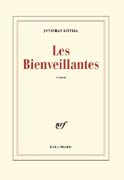
«The Benevolent» by Jonathan Littell


Mit den Augen eines SS-Offiziers
«Les Bienveillantes, der Debüt-Roman des Amerikaners Jonathan Littell sorgt in Frankreich für Furore: Der jüdische Schriftsteller schreibt aus der Perspektive eines SS-Offiziers über den Holocaust und die NS-Zeit. Jetzt ist das Werk mit dem renommierten Prix Goncourt ausgezeichnet worden.
Paris – Ein jüdischer Amerikaner schreibt auf Französisch ein Buch über den Holocaust – und das aus der Sicht eines gebildeten SS-Offiziers, der von seinen Morden an Juden berichtet, aber keineswegs ein reuiger Sünder ist. In Frankreich wurde Jonathan Littell mit seinem 912 Seiten starken Debüt-Roman über Nacht zum Literaturstar: 200.000 Exemplare des Buches wurden in Frankreich bereits verkauft, es stand wochenlang auf der französischen Bestsellerliste und wurde von der französischen Presse als Meisterwerk gefeiert. Gelobt wurde Littells Mut, den Holocaust mit den Augen eines Täters zu schildern. Um die Übersetzungsrechte entstand ein regelrechtes Gerangel: Der Berlin Verlag soll sich die Rechte für die deutsche Ausgabe für 400.000 Euro gesichert haben, ein britischer Verlag habe sogar eine Million Dollar gezahlt, heißt es.
Doch der Erfolg des Romans stößt auch auf Unverständnis: Der französische Regisseur Claude Lanzmann ("Shoah") kritisierte, die Geschichte sei unrealistisch. Er wisse aus eigener Erfahrung, dass die Täter des Nationalsozialismus nicht so auskunftsfreudig seien, wie Littells Protagonist Dr. Max(imilian) Aue, Doktor der Jurisprudenz. In der Regel verdrängten sie ihre Taten und wollten sich nicht erinnern.
Littells Roman beginnt mit den Worten: "Liebe Mitbrüder, lasst mich euch schildern, wie alles geschah." Wie das Wochenblatt "Die Zeit" berichtete, nehme der Autor die Kontroverse um sein Debüt durchaus wahr: Er freue sich über die positive Resonanz, doch das Urteil von Lanzmann sei ihm besonders wichtig.
Auch der Chefredakteur des französischen Kulturmagazins "Les Inrockuptibles" konnte sich der allgemeinen Begeisterung der Franzosen nicht anschließen. In der "Frankfurter Allgemeinen Sonntagszeitung" diagnostizierte er dem Buch "etwas Spätpubertierendes", von dem "bloß eine Ahnung von Fusel im Abgang" übrigbleibe. Die Zeitung "Libération" schrieb, das Buch erwecke den Eindruck, als spiele der Autor mit Zinnsoldaten, wenn auch auf sehr intelligente Weise. Andere Stimmen kritisierten, die Psychologie der Geschichte sei übertrieben. Allerdings ist die Persönlichkeit des Protagonisten recht vielseitig: Aue beginnt ein inzestuöses Verhältnis mit seiner Schwester, entdeckt daraufhin sein Interesse am gleichen Geschlecht und tötet schließlich die eigene Mutter und den Stiefvater. All dies wird begleitet von ausführlichen Erläuterungen seiner Magen- und Darmprobleme.
Dennoch dürfte die Kritik Littell nicht allzu sehr betrüben, denn der "Prix Goncourt" ist die renommierteste französische Literaturauszeichnung. Die Ehrung, die zwar nur mit symbolischen 10 Euro dotiert ist, ist gleichbedeutend mit einem Ritterschlag.
Jegliche Vorwürfe, der Autor verbrüdere sich mit einem Nationalsozialisten werden indes bereits im Keim erstickt: Littell stammt aus einer jüdischen Familie mit osteuropäischen Wurzeln. Außerdem arbeitet er für humanitäre Hilfsorganisationen an Kriegsschauplätzen wie Ruanda, Bosnien oder Tschetschenien. Der Sohn eines Autors von Spionageromanen wurde in New York geboren und kam als Kind nach Frankreich. Seine Bücher schreibt Littell, der in Yale Literaturwissenschaft studierte und derzeit in Barcelona lebt, auf Französisch. Er begründet dies mit seiner Achtung vor den französischen Literatur-Granden Stendhal und Flaubert.
Ende Oktober wurde Les Bienveillantes ("Die Gnädigen" oder "Die Wohlwollenden") bereits mit dem Romanpreis der Académie Française geehrt. Die deutsche Übersetzung erscheint im kommenden Jahr. Die Verleihung des Prix Goncourt wird den Verkauf des Romans wohl noch weiter vorantreiben.»
Through the eyes of an SS officer
Les Bienveillantes, the debut novel of the American Jonathan Littell provides for sensation in France: the Jewish author writes from the perspective of an SS officer over the Holocaust and the Nazi time. Now the work has been distinguished with the renowned "Prix Goncourt".
Paris – A Jewish American writes a book about the Holocaust in French – and from the point of view of an educated SS officer, who reports of his murders on Jews, but is by no means a repentant sinner. With his 912 pages thick first novel, Jonathan Littell became overnight the literature star in France: 200,000 copies of the book have already been sold; it was on the French best-seller list for weeks, and was celebrated by the French press as a masterpiece. Littell's courage was praised for describing the Holocaust through the eyes of a perpetrator. A real wrangling developed around the translation rights: the "Berlin Verlag" is supposed to have secured the German edition rights for 400.000 euros, and it is said a British publishing house has even paid one million dollars.
But the success of the novel encounters also lack of understanding: the French director Claude Lanzmann ("Shoah") criticized the story as being unrealistic. He knows by his own experience that National-Socialist perpetrators were not so eager to inform as Littell's protagonist Dr. Max(imilian) Aue, doctor of the jurisprudence. Usually they hid their acts and did not want to remember.
Littell's novel begins with the words: "Beloved brothers, let me describe to you how everything happened." As the weekly paper "Die Zeit" reported, the author is quite aware of the controversy about his debut: he is pleased by the positive resonance, but Lanzmann's judgement is particularly important to him.
Also the editor-in-chief of the French culture magazine "Les Inrockuptibles" could not follow the general enthusiasm of the Frenchmen. In the "Frankfurter Allgemeine Sonntagszeitung" he diagnosed the book as "something from late puberty", of which remains "only a confused notion in the outlet". The newspaper "Libération" wrote that the book arouses the impression as if the author were playing with tin soldiers, even if in a very intelligent way. Other voices criticized the psychology of the story as being exaggerated. However, the protagonist's personality is quite versatile: Aue begins an incestuous relationship with his sister, discovers thereupon his interest on the same sex, and finally kills his own mother and stepfather. All this accompanied by detailed explanations of his stomach and intestine problems.
Nevertheless, criticism doesn't seem to disturb Littell too much, since the "Prix Goncourt" is the most renowned French literary distinction. The honour, which is endowed with some symbolic 10 euros only, is equivalent to a knight induction.
Any reproaches about the author fraternizing with a National-Socialist are to be silenced from the very beginning: Littell originates from a Jewish family with Eastern European roots. In addition he works for humanitarian relief organizations on theatres of war such as Rwanda, Bosnia or Chechnya. The son of an author of espionage novels was born in New York City and came to France as a child. Littell, who studied literature science in Yale and lives currently in Barcelona, writes his books in French. He justifies this fact with his reverence for the French literature's famous figures Stendhal and Flaubert.
At the end of October Les Bienveillantes had already been honoured with the novel price of the Académie Française. The German translation will be published in the coming year. The award of the Prix Goncourt will probably continue to increase the sales of the novel even more.
RIC's translation… I'm really sorry for any serious fault.
Et pour ceux qui sont versés dans la langue de Molière, voilà une courte présentation du livre et une critique affidée.
«En fait, j'aurais tout aussi bien pu ne pas écrire. Après tout, ce n'est pas une obligation. Depuis la guerre, je suis resté un homme discret ; grâce à Dieu, je n'ai jamais eu besoin, comme certains de mes collègues, d'écrire mes mémoires à fin de justification, car je n'ai rien à justifier, ni dans un but lucratif, car je gagne assez bien ma vie comme ça. Je ne regrette rien : j'ai fait mon travail, voilà tout ; quant à mes histoires de famille, que je raconterai peut-être aussi, elles ne concernent que moi ; et pour le reste, vers la fin, j'ai sans doute forcé la limite, mais là je n'étais plus tout à fait moi-même, je vacillais, le monde entier basculait, je ne fus pas le seul à perdre la tête, reconnaissez-le. Malgré mes travers, et ils ont été nombreux, je suis resté de ceux qui pensent que les seules choses indispensables à la vie humaine sont l'air, le manger, le boire et l'excrétion, et la recherche de la vérité. Le reste est facultatif.»
«Avec Les Bienveillantes, Jonathan Littell nous offre le prototype du roman parfait, concurrent idéal aux prix littéraires. Le style, d'abord, est élégant, il impose un récit rythmé et accrocheur qui progresse avec une égale constance dans l'ouvrage. Le travail préparatoire ensuite constitue une véritable mine de détails concernant aussi bien l'administration nazie que les réalités sociologiques de l'époque. De même encore, l'angle sous lequel le sujet est abordé ne peut que fédérer ; traitant l'un des drames les plus singuliers de l'Histoire, Littell le tire à lui, en mettant en scène l'incapacité existentielle des hommes à s'en défendre. L'habileté de l'écrivain réussit ainsi à transmuer ce sujet en un témoignage d'une universalité troublante. Alors, dans cette perfection, que penser d'un tel roman qui, à peine édité, fait déjà figure de "classique" ?
Si l'on ne peut en effet n'être qu'admiratif devant cette capacité à dépeindre "l'irresponsabilité" des personnages, si l'on ne peut que sentir ce souffle russe se déverser sur cette succession de personnages bruts, suivant les ordres de l'Autorité comme Sisyphe traîne son rocher, sa qualité révèle l'ambiguïté d'une telle entreprise.
Bien qu'intimement relié à un moment précis de l'Histoire, le récit semble déjà s'en extraire et s'impose comme hors du temps, toujours d'actualité. Reste qu'une telle qualité devient presque frustrante, et rares sont les moments où l'on sent l'auteur au bord de l'abîme, où l'on perçoit une véritable prise de risque sinon dans cette justification un peu lourde à laquelle se livre son héros dans les premières pages pour légitimer le récit de l'horreur, comme s'il découvrait, étonné, que l'indicible, l'inimaginable, peut s'écrire, peut s'étaler et se dire à nouveau.»
(Guillaume Benoît)
Editado por RIC às 12:39 10 comentário(s)
Separadores:
Literaturas
terça-feira, 7 de novembro de 2006
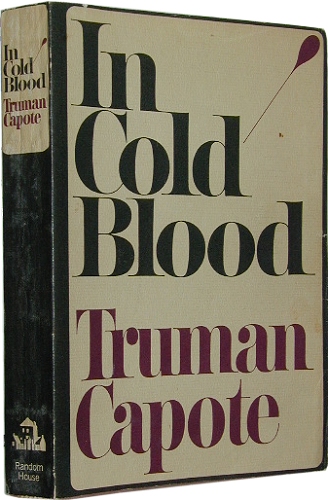
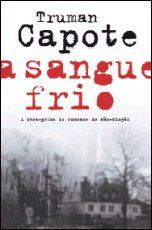
I. Honouring Truman Capote

Truman Capote
Uma tragédia. Uma investigação. Um escritor. Um romance. Um destino. Um filme (ou dois).
Editado por RIC às 01:25 10 comentário(s)
Separadores:
Literaturas
quinta-feira, 2 de novembro de 2006
I. Sobre literatura homófila (3)


Que ao título A Boy's Own Story de EDMUND WHITE não corresponde o português – A Vida Privada de Um Rapaz – é questão pacífica. Transpor para português um registo sui generis do inglês norte-americano é tarefa difícil, que é levada a muito bom termo por José Vieira de Lima, resultando num texto em português atraente, literariamente válido. Impõe-se uma objecção ao título original: as histórias contadas não provêm de um narrador adolescente hic et nunc, mas da memória de um narrador adulto. So much for A Boy's Own Story… O título português é, pois, mais verosímil porque mais consentâneo com a verdade ficcional.
Um narrador anónimo (autobiográfico) é localizável algures na idade adulta, a partir da qual procede a excursos retrospectivos em busca de um tempo perdido: a adolescência. O objectivo desta revisitação é óbvio: encontrar as explicações, as justificações de que necessita para seu próprio governo (e do seu narcisismo).
Basicamente, há uma obsessão: a necessidade, por vezes pungente, de reconhecimento social que, à norte-americana, se rescreve "ser popular". Com alguma filosofia à mistura, o narrador afirma que "ser popular equivalia a tornar‑me uma personagem, talvez mesmo uma pessoa, pois se ser é ser percebido, então ser percebido por muitos olhos e com inveja, interesse, respeito ou afeição [atente-se nos pólos da gradação], é existir mais densamente, mais articuladamente."
Depois, há a aprendizagem de ser-percebido: "aprendi que o amor ou pelo menos a amizade têm de ser conquistados com prendas e agrados, que há jeitos e artes (escutar, sorrir, lembrar, lisonjear)." Entretanto, há a vontade de cura para o supremo mal: "Se a minha homossexualidade se devia a um excesso de presença feminina na família (...), então a melhor maneira de corrigir esse desequilíbrio seria entrar para um mundo totalmente masculino. A fim de me tornar um heterossexual, decidi que iria para um colégio interno só para rapazes." Mas estas são as palavras de um narrador adulto descrente de teorias ou práticas terapêuticas. Vem, em socorro do adolescente, o shrink da praxe. E para que do caos surja a ordem, eis quase uma isotopia, muito bem organizada a partir da oposição heterossexualidade/homossexualidade masculinas: negócio/arte, coisas/pessoas, mulheres/homens, pai/mãe, desportos/livros, responsabilidades/sentimentos e dinheiro/ amor. Tudo muito bem arrumadinho.
Um anacronismo insustentável surge pela voz do narrador que, com quinze anos e como se iluminado, debita um Michel Foucault avant la lettre, numa desvairada sinopse da tese da História da Sexualidade. So much for the boarding school for boys only – Eton, de seu nome.
O romance, em que a adjectivação amiúde se descontrola, termina em queda. Proliferam as referências culturais – a propósito e a despropósito – e as efusões líricas, de gosto literário duvidoso e extensão desmedida. Um texto mais enxuto teria, seguramente, a ganhar em qualidade literária e valor testemunhal.
RIC
Esta recensão foi publicada pela primeira vez na revista "Cartaz" do semanário "Expresso".
Para conhecer a bibliografia original do autor, clique no seu nome.
Editado por RIC às 01:14 2 comentário(s)
Separadores:
Literaturas
segunda-feira, 30 de outubro de 2006
Sencillo homenaje a Latinoamérica y España

Hace tiempo, mucho tiempo que quería hacerlo aquí.
Pero mi español es un desastre, lo sé… Es sobre todo "portuñol", como el de casi todos nosotros portugueses que creemos que hablamos español sin (casi) nunca haberlo aprendido… ¡Y escribirlo es aun mucho más difícil!
Hasta que pensé que un lindo poema seria sin duda la buena solución para saludar a todos los blogueros de Latinoamérica y España que visitan a mi blog. Lo hacen en silencio, un silencio muy poco latino, hay que decirlo…
Os deseo a todos lo mejor y os dejo en la compañía de un individuo mayor de la cultura mundial, un gran señor de la poesía – Federico García Lorca.
Me gusta muchísimo eso poema… Me encanta hace muchos años… Seguro que no es uno de sus poemas más jubilosos, pero es sin duda uno de sus mejores.
Romance Sonámbulo
A Gloria Giner
y a Fernando de los Ríos
Verde que te quiero verde.
Verde viento. Verdes ramas.
El barco sobre la mar
y el caballo en la montaña.
Con la sombra en la cintura
ella sueña en su baranda,
verde carne, pelo verde,
con ojos de fría plata.
Verde que te quiero verde.
Bajo la luna gitana,
las cosas le están mirando
y ella no puede mirarlas.
Verde que te quiero verde.
Grandes estrellas de escarcha,
vienen con el pez de sombra
que abre el camino del alba.
La higuera frota su viento
con la lija de sus ramas,
y el monte, gato garduño,
eriza sus pitas agrias
¿Pero quién vendrá? ¿Y por dónde...?
Ella sigue en su baranda,
verde carne, pelo verde,
soñando en la mar amarga.
Compadre, quiero cambiar
mi caballo por su casa,
mi montura por su espejo,
mi cuchillo por su manta.
Compadre, vengo sangrando,
desde los montes de Cabra.
Si yo pudiera, mocito,
ese trato se cerraba.
Pero yo ya no soy yo,
ni mi casa es ya mi casa.
Compadre, quiero morir
decentemente en mi cama.
De acero, si puede ser,
con las sábanas de holanda
¿No ves la herida que tengo
desde el pecho a la garganta?
Trescientas rosas morenas
lleva tu pechera blanca.
Tu sangre rezuma y huele
alrededor de tu faja.
Pero yo ya no soy yo,
ni mi casa es ya mi casa.
Dejadme subir al menos
hasta las altas barandas,
dejadme subir, dejadme,
hasta las verdes barandas.
Barandales de la luna
por donde retumba el agua.
Ya suben los dos compadres
hacia las altas barandas.
Dejando un rastro de sangre.
Dejando un rastro de lágrimas.
Temblaban en los tejados
farolillos de hojalata.
Mil panderos de cristal,
herían la madrugada.
Verde que te quiero verde,
verde viento, verdes ramas.
Los dos compadres subieron.
El largo viento, dejaba
en la boca un raro gusto
de hiel, de menta y de albahaca
¡Compadre! ¿Dónde está, dime?
¿Dónde está mi niña amarga?
¡Cuántas veces te esperó!
¡Cuántas veces te esperara,
cara fresca, negro pelo,
en esta verde baranda!
Sobre el rostro del aljibe
se mecía la gitana.
Verde carne, pelo verde,
con ojos de fría plata.
Un carámbano de luna
la sostiene sobre el agua.
La noche su puso íntima
como una pequeña plaza.
Guardias civiles borrachos,
en la puerta golpeaban.
Verde que te quiero verde.
Verde viento. Verdes ramas.
El barco sobre la mar.
Y el caballo en la montaña.
Pueden dejar vuestros comentarios. Mi dificultad no será tanto leerlos y entenderles, sino contestarles… ¡Haré mi mejor posible!
¡Saludos amigos desde Lisboa!
Editado por RIC às 02:22 14 comentário(s)
Separadores:
Literaturas
terça-feira, 24 de outubro de 2006
Books from all over the world
As everything else in life, my «20.th Century Novel Top 50» is also reaching the end. Here I leave you the last ten titles.
Marguerite DURAS, L'Amant de la Chine du Nord (France)
Erich Maria REMARQUE, Im Westen nichts Neues (Germany)
Jean-Paul SARTRE, Les Chemins de la Liberté (France)
Luis SEPÚLVEDA, El Viejo Que Leía Novelas de Amor (Chile)
Alexandr SOLJENITSINE, Arkhipelag Gulag (Russia)
John STEINBECK, To A God Unknown (United States of America)
William STYRON, Visible Darkness (United States of America)
Antonio TABUCCHI, Requiem (Italy)
Gonzalo TORRENTE BALLESTER, La Saga/Fuga de JB (Spain)
Virginia WOOLF, Mrs. Dalloway (United Kingdom)
If you're now looking for the complete Top 50, here are the four references to the previous posts:
Julho/18;
Agosto/8;
Agosto/24;
Outubro/9.
I wish I could go a little further from this Top 50 onwards…
I wish you would name a few novels that really were/are quite significant for you on a lifetime scale, so to speak. I'll then try to organise a list of your suggestions and post it.
It would be another way of exchanging ideas and reading experiences.
Thank you.
Editado por RIC às 15:20 10 comentário(s)
Separadores:
Literaturas
sexta-feira, 13 de outubro de 2006
II. … And the Prize went to…
The Nobel Prize Winner in Literature 2006
"Who in the quest for the melancholic soul of his native city has discovered new symbols for the clash and interlacing of cultures."
Karolinska Institutet
A few biographical notes
Orhan Pamuk was born in Istanbul on June 7, 1952.
He spent all his life in Istanbul, except three years in New York.
After attending the architecture program in Istanbul Technical University for three years, he finished the Institute of Journalism at the Istanbul University.
He started writing regularly in 1974. His first novel, «Cevdet Bey ve Ogullari», was awarded the first prize in the 1979 Novel Contest of the Milliyet Press. This book, published in 1982, also won the Orhan Kemal Novel Prize in 1983. He received the 1984 Madarali Novel Prize with his second novel «Sessiz Ev», published in 1983, and the 1991 Prix de la Découverte Européenne with the French translation of the novel.
His historical novel «Beyaz Kale», published in 1985, extended his reputation abroad. «The New York Times Book Review» wrote: "A new star has risen in the east – Orhan Pamuk, a Turkish writer."
His 1990 landmark novel «Kara Kitap» has become one of the most controversial and popular readings in Turkish literature, due to its complexity and richness. In 1992, he wrote the script of the film «Gizli Yuz» (adapted from «Kara Kitap»), directed by a prominent Turkish director, Omer Kavur.
His latest novel, «Yeni Hayat», has been a best-seller in Turkey in 1995.
His books have been translated to thirteen foreign languages so far.
Another universe to get in touch with...
Editado por RIC às 15:18 8 comentário(s)
Separadores:
Literaturas
quarta-feira, 11 de outubro de 2006
II. On homophile literature (2)


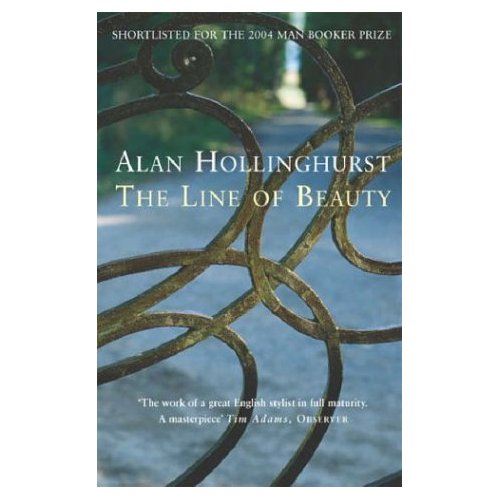
Alan Hollinghurst
was born in Stroud in Gloucestershire, England in 1954 and was educated at Magdalen College, Oxford. He was on the staff of the "Times Literary Supplement" from 1982 to 1995.
«His acclaimed first novel, The Swimming-Pool Library (1988), gives a vivid account of London gay life in the early 80's through the story of a young aristocrat, William Beckwith, and his involvement with the elderly Lord Nantwich, whose life he saves. It was followed by The Folding Star in 1994, which was shortlisted for the Booker Prize for Fiction and won the James Tait Black Memorial Prize (for fiction). The narrator, Edward Manners, develops an obsessive passion for his pupil, a 17-year-old Flemish boy, in a story that was compared by many critics to Thomas Mann's novella Death in Venice.
Spell (1998), a gay comedy of manners which interweaves the complex relationships between 40-something architect Robin Woodfield, his alcoholic lover Justin, and Justin's ex, timid civil servant Alex, who falls in love with Robin's son Danny. The action moves between the English countryside and London where Danny introduces Alex to ecstasy and the club scene.
Alan Hollinghurst's translation of Racine's play Bajazet was first performed in 1990. His most recent novel, The Line of Beauty (2004), traces a decade of change and tragedy and won the 2004 Man Booker Prize for Fiction.
It has been adapted for BBC Television by Andrew Davies.»
… Is he grand or what?!
Editado por RIC às 15:32 12 comentário(s)
Separadores:
Literaturas
terça-feira, 10 de outubro de 2006
II. On homophile literature (1)


Michael Cunningham
was born in Cincinnati, Ohio, in 1952 and grew up in Pasadena, California.
He received his B.A. in English literature from Stanford University and his M.F.A. from the University of Iowa.
His novel A Home at the End of the World was published by Farrar, Straus and Giroux in 1990 to wide acclaim.
Flesh and Blood, another novel, followed in 1995.
His work has appeared in The Atlantic Monthly, Redbook, Esquire, The Paris Review, The New Yorker, Vogue, and Metropolitan Home.
His story "White Angel" was chosen for Best American Short Stories 1989.
The author lives in NYC.
A Home at the End of the World
«This celebrated novel is the story of two boyhood friends: Jonathan, lonely, introspective, and unsure of himself; and Bobby, hip, dark, and inarticulate. In New York after college, Bobby moves in with Jonathan and his roommate, Clare, a veteran of the city's erotic wars. Bobby and Clare fall in love, scuttling the plans of Jonathan, who is gay, to father Clare's child. Then, when Clare and Bobby have a baby, the three move to a small house in upstate New York to raise "their" child together and, with an old friend, Alice, create a new kind of family.
A Home at the End of the World masterfully depicts the charged, fragile relationships of urban life today.»
Uma Casa no Fim do Mundo, Gradiva, 2001.
Editado por RIC às 15:18 10 comentário(s)
Separadores:
Literaturas
segunda-feira, 9 de outubro de 2006
Some more of my favourite books...

Going through the archives, I could hardly believe I haven't actually posted about books during the whole month of September.
Many things happened, as a matter of fact. I gained new blogger friends, other subjects became priorities, and I tried to post more like a journalist, I'd say, though I don't really feel that thrilled about it, if I don't forget my blog has just been flagged. Why? Well, all I did was cite a government's statement from a press conference and comment on it, of course.
But let's begin the week without polemic issues instead.
Bigots and hypocrites usually don't care much for Literature (or any arts, for what it matters), but they're wrong, oh so wrong… That's precisely where their future lies or, depending only on the perspective, their end begins.
The truth is I did neglect something I cherish so much in life: books. And I had promised you, dear members of «The Happy Few Club», I would carry on with my list of the 50 best novels of the 20.th century. So here they are, the penultimate ten:
André MALRAUX, La Condition Humaine (France)
Roger MARTIN DU GARD, Les Thibault (France)
W. Sommerset MAUGHAM, Of Human Boundage (United States of America)
Veijo MERI, Peiliin piirretty nainen / Woman Drawn on a Mirror (Finland)
Yukio MISHIMA, The Golden Temple (Japan)
Harry MULISCH, De Ontdekking van de Hemel (The Netherlands)
Robert MUSIL, Der Mann ohne Eigenschaften (Austria)
Michael ONDAATJE, The English Patient (Canada)
George ORWELL, 1984 (United Kingdom)
Boris PASTERNAK, Doktor Jivago (Russia)
Autumn evenings are getting longer. On the northern hemisphere, of course.
You guys from down south can start right now settling on your summer readings list…
After blogging there's still some time left for some pages, I'm sure. Enjoy it.
Editado por RIC às 13:14 14 comentário(s)
Separadores:
Literaturas
quarta-feira, 4 de outubro de 2006
«A Taça de Chá»

O luar desmaiava mais ainda uma máscara caída nas esteiras bordadas. E os bambus ao vento e os crisântemos nos jardins e as garças no tanque, gemiam com ele a adivinharem-lhe o fim. Em roda tombavam-se adormecidos os ídolos coloridos e os dragões alados. E a gueixa, porcelana transparente como a casca de um ovo da Íbis, enrodilhou-se num labirinto que nem os dragões dos deuses em dias de lágrimas. E os seus olhos rasgados, pérolas de Nanguim a desmaiar-se em água, confundiam-se cintilantes no luzidio das porcelanas.
Ele, num gesto último, fechou-lhe os lábios co'as pontas dos dedos, e disse a finar-se: – Chorar não é remédio; só te peço que não me atraiçoes enquanto o meu corpo for quente. Deixou a cabeça nas esteiras e ficou. E Ela, num grito de garça, ergueu alto os braços a pedir o Céu para Ele, e a saltitar foi pelos jardins a sacudir as mãos, que todos os que passavam olharam para Ela.
Pela manhã vinham os vizinhos em bicos dos pés espreitar por entre os bambus, e todos viram acocorada a gueixa abanando o morto com um leque de marfim.
A estampa do pires é igual.
José de Almada Negreiros
Sexto texto de «Frisos», publicado em Orpheu 1, 1915
Editado por RIC às 18:05 8 comentário(s)
Separadores:
Literaturas